How to Buy a Home in the UAE: A Step-by-Step Guide
Buying a home is a very important decision we have to make at some point in life. Whether you're new to real estate or have just found the perfect home but haven't yet begun the purchasing process, we're here to provide you with the best service and expertise in the business.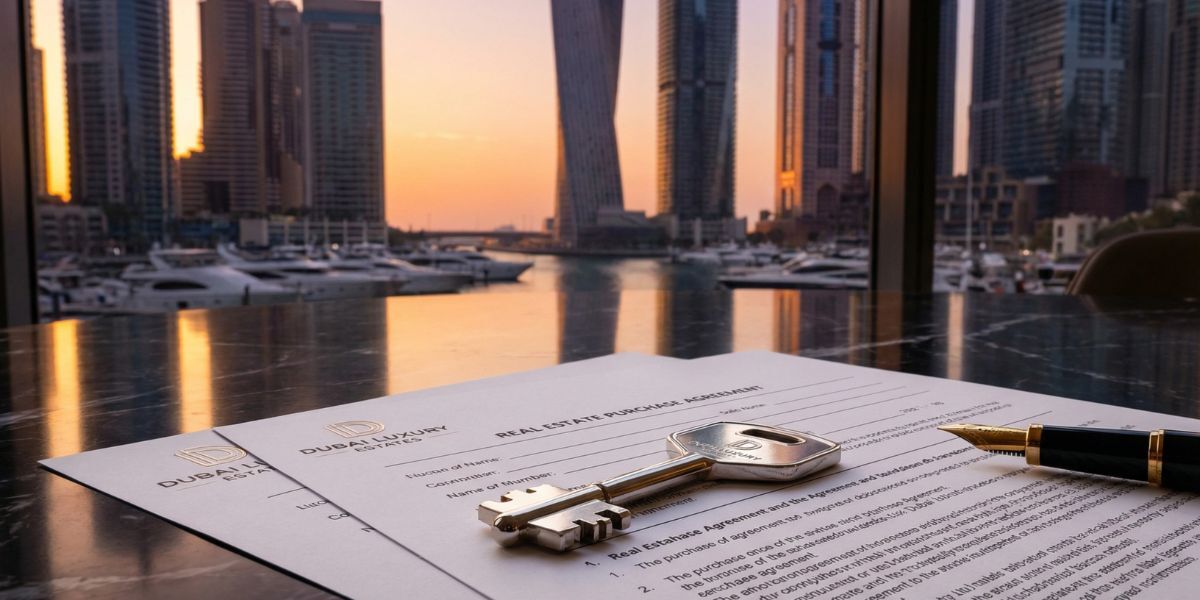
As for the UAE, it is allowed for expatriates to buy, sell, and lease real estate in the city, as per Dubai Law No. 6 of 2006, without any special permits, but only in designated areas. So, before you take that step and decide to purchase it, understand how the process will proceed and also what the law expects from you in relation to buying a property in Dubai.
This article shows you the process of buying property in Dubai as a foreigner. As your trusted advisors, we take the time to analyze your property needs so we can help you find the house you’ve been dreaming of. Here you'll find helpful mortgage tips and a must-do checklist to help you smoothly complete your deal and move to the UAE faster.
Buying Property in the UAE as an Expat
If you’re an expatriate living in the UAE, you are limited to several places where you can buy property. While nationals are allowed to buy property anywhere, expats are limited to designated zones defined in each of the Emirates. Therefore, you must check the regulations that apply in the Emirate where you are looking to purchase.
Also, you’ll have to get the information about the type of ownership:
- Freehold: You own the property and the land underneath it. Freeholds are generally available in registered investment areas.
- Leasehold: You have a tenant interest in the land and a building (typically, it is a 99-year lease). Leasehold properties can be cheaper, but they come with legal restrictions and renewal implications.
In any case, you must be aware of the legal process before you buy your apartment.
The Legal Process
There are various legal factors to consider when buying property in the UAE. Private individuals should appoint a real estate agent or a lawyer to assist them and follow the process; this will vary on a case-by-case basis across the Emirates. For instance, in Dubai, you may generally be required to:
- Sign an MOU with the seller.
- Get an NOC issued and pay for it.
- At the Dubai Land Department, meet the seller with the NOC, MOU, payment, and original ID documents in hand to close your transaction and get your title deed.
After the title deed is issued, the property officially becomes yours. So, let’s consider the whole sequence step by step.
Steps to Buy a Property in Dubai
Everyone knows about Dubai's luxurious buildings, world-class architectural projects, and investment centers that fill this Middle Eastern metropolis. The city is open to people who are ready to buy real estate from around the world, whether they are residents or foreign investors. So, here are 10 essential steps to purchase property in Dubai:
- Get an experienced Real Estate Agent.
- Define Your Budget.
- Finding Properties and Building a Shortlist.
- Mortgage Pre-Approval (if necessary).
- Prepare the Necessary Documents.
- Make an Offer to a Seller.
- Sign the MOU.
- Transfer the Property Ownership.
So, let's take a look at each step of the buying process so you can confidently navigate your way to your desired Dubai property.
Get an Experienced Real Estate Agent
Having a professional agent is a crucial step for all those who want to buy an apartment in Dubai. The agent with specific knowledge and experience in the matter of your interest will help you and advise you on each step: for example, whether the property you’re looking at will give you the right to obtain a residency visa in the UAE.
A good agent will guide you through the process, show you properties, and help you secure the best possible price, thereby saving you time, money, and effort. Our company provides services to support the real estate buying and selling process in the UAE.
Define Your Budget
The next step of the process is to define what you can afford.
If you have enough money to purchase the home right now, you are a “cash buyer,” so this is a simple option. But if you need additional financing, as most first-time buyers do, you’ll need to figure out how much you can borrow for a mortgage. This sum varies on several factors; however, there are three main ones:
- Your Income. You will be required to prove your income by submitting an income-per-month certificate provided by your financial records, in case you are a business owner. Your income and expenses will be calculated into what you can afford from lenders.
- Your Down Payment.The bigger your down payment you can do, the less you have to borrow. And making a large down payment also makes lenders feel more secure. In the UAE, borrowers must pay:
- UAE Nationals: At least 20% of the property.
- Expats: At least 25% of the property.
- Your Credit Score. When you apply for a mortgage, lenders consider your overall credit score. The higher, the better your odds of approval, and maybe even better interest rates. It’s not the only consideration, but it is important to understand your credit score, how it affects your borrowing options, and how to improve it if necessary.
Property Search and Shortlisting
Start with a shortlist of properties that fit your budget, purpose (residential or investment), and areas of interest. Once you find a few communities, you'll need to check them, so ask your agent to schedule property viewings. A real estate agent will:
- Assist you in locating the desired properties.
- Schedule appointments to see properties.
- Offer you market comparisons.
- Guide you to the properties located in freehold zones where foreigners can buy houses.
You need to see several properties to assess what you're getting and make an informed decision about what you need for your best match. Our specialist will help you with this.
Apply for Mortgage Pre-Approval
If you’re borrowing, pre-approval is crucial.
A pre-approval mortgage in the UAE is a written agreement from your bank that establishes your creditworthiness for a home loan based on your income and credit score, and indicates the amount the bank is willing to lend you.
The benefits of pre-approval are as follows:
- Shows sellers that you are serious about making a purchase.
- Shows how much you can borrow.
- Accelerates the final loan approval process.
Prepare Your Documents
Buying a house requires several types of documentation. This list of documents required to buy a house will differ depending on personal circumstances, such as residency status (resident or non-resident) and employment status (employed or self-employed) in the UAE. However, the typical list of documents you need would include the following:
- Passport copy;
- Visa copy;
- Emirates ID (for UAE residents);
- Power of attorney (if your agent is acting on your behalf);
- Last 6 months' bank statements;
- Mortgage pre-approval (if any).
Besides these, you will also need property transaction documents, but they will be prepared later:
- Title Deed (original or via DLD REST app);
- No Objection Certificate (NOC);
- Sales Agreement (Form F/Memorandum of Understanding) signed by the buyer & seller.
Our real estate agent will assist you with that issue in your particular case.
Make an Offer
When you’ve settled on the right option, your agent will make an offer to a seller.
Ensure you have:
- Mortgage pre-approval (if you're not paying with cash);
- A 10% deposit is ready.
This preparation is the basis of your success in the whole business.
Sign the Memorandum of Understanding (MOU)
You and the seller will both sign the offer when it is accepted; this is also referred to as the Memorandum of Understanding (MOU) or Form F.
Now you must:
- Provide a 10% deposit check.
- Hand over the agency commission check to the real estate agent.
Both are legally bound by the terms of the MOU.
Transfer the Property
On the day of the exchange of contracts, you, your representative, and the seller’s side and their representatives will all meet at an approved property registration trustee’s office.
You must bring:
- Valid identification.
- The check for the remaining purchase price.
- The DLD transfer fee is typically paid by a buyer (around 4% of the purchase price).
Once the transfer is complete:
- The DLD will issue the new title deed under your name.
- You get the house keys and key-access cards.
Partner with Atton Accounting & Consulting
Atton Accounting & Consulting was established to provide professional services and tailored advice for businesses and property investments. We are more than just a real estate adviser; we are here to help you from the very start to the very finish.
So, when you’re ready to buy your real estate, don’t hesitate to contact us! We are here to offer you a hassle-free, exciting experience when purchasing your new home.
FAQs
What is the average cost of property in Dubai?
The average price of owning a Dubai property varies significantly by location, property type, and whether the unit is off-plan or ready. Some prime locations, including Downtown Dubai, Dubai Marina, and Palm Jumeirah, tend to have higher prices than those in emerging communities. In addition to the sale price, buyers will have to pay obligatory transaction costs, including a Dubai Land Department transfer fee, an agent's commission, and, potentially, mortgage fees. These extra costs usually increase the property’s price by circa 6–8%. Therefore, it is very important to understand their overall cost structure before you say yes.
What are the main stages of buying property in Dubai?
The process to purchase property in Dubai is fairly straightforward and transparent. It starts with hiring a professional real estate agent and determining exactly how much you can afford, including closing costs. Buyers would then be offered the opportunity to sign a Memorandum of Understanding (MOU) after the properties are shortlisted. If buyers need to obtain financing, mortgage pre-approval can not only be an important step that needs to be completed sooner rather than later. The third and final step is the transfer of ownership at the Dubai Land Department, where payment is settled, and title deeds are issued.
Can expats take out a mortgage in Dubai?
Yes, foreign nationals can apply for a mortgage in Dubai – on condition that they accept and meet the criteria offered by specific banks here. As a rule of thumb, expats need to put down a minimum 20% deposit on properties less than AED 5 million. More expensive homes may require higher upfront contributions. Before approving the loan, the bank will review income stability, employment history, and current liabilities. Terms, rates, and whether or not interest is payable vary from lender to lender. Pre-approval is a good idea, as it will confirm your borrowing potential and strengthen your position as a serious buyer.
How long does it take to buy a house in Dubai?
Ideally, the process of buying property in Dubai will take 30 to 60 days from the agreed offer to the transfer of ownership. A cash sale can take much less time, often weeks or even days, since there is no need to negotiate a loan. Typically, mortgage-backed deals move more slowly due to bank valuations, legal checks, and final loan approval. Delays can also be caused by missing documentation or parties not being prepared. Careful planning and technical assistance can help keep the timeline reasonable.
What papers do I need to buy property in Dubai?
The documentation to purchase property in Dubai is quite simple. Buyers typically require a valid passport, a visa copy, and an Emirates ID in the case of UAE residents. If there is a mortgage factor, applicants are typically asked to provide recent bank statements and mortgage pre-approval letters. A power of attorney might be required if someone is acting on the buyer’s behalf in the transaction. It is best to have all the papers ready in advance to save time and unnecessary hiccups during the transfer process.
What is an MOU?
What is an MOU (Form F)? Simply put, an MOU, or Form F, is a contract between the seller and buyer that outlines the terms and conditions of the sale. It specifies the purchase amount, the payment schedule, the handover date, and penalties in the event of default. The MOU is executed upon acceptance of an offer, usually with a security deposit equal to 10% of the property's value. Even though it’s a standard document, its terms are negotiable before you sign. When it is performed, the parties are under a legal duty to perform in accordance with the terms they have settled for.
What do freehold and leasehold property mean?
Freehold means that, once the object is paid for in full by the buyer, all property rights pass directly to the purchaser, with no time limit. This type of ownership is available to foreigners in certain areas of Dubai and typically offers better resale value and long-term security. Leasehold property, however, provides ownership rights for a time-bound period, typically 99 years. Ownership will revert to the freeholder upon the lease's expiration. Freehold vs. Leasehold - How It Influences Long-Term Value, Inheritance Rights, and Investment Strategy.
What are the costs of buying property in Dubai?
Aside from property costs, buyers should factor in several mandatory and optional expenses. The registration fee at the Dubai Land Department is 4% of the property's value and is generally paid upon transfer. The estate agency commission is normally 2% of the purchase price, plus VAT. If financing with a mortgage, buyers also pay the mortgage registration fee and the bank's loan arrangement fee. (Conveyancing fees and legal charges may also apply, depending on the organization and complexity of the transaction.


